5 Common IT Mistakes New Businesses Make

So you've just registered your business and you're raring to go! If you want some type of online presence, the next thing you need to think about is a Facebook page! Or maybe a business email? Perhaps you should get a website instead? Any of this sound familiar? Sometimes the biggest stumbling block with determining what you should do to establish your business online is not having any knowledge of the options available and the differences between them; or sometimes just having too many options and not knowing what to choose!
Today, I'm going to share with you my personal thoughts on what I think are the 5 most common mistakes entrepreneurs make with their IT setup when starting out.
1. Using an expensive site hosting service (like Squarespace, Wix, or GoDaddy)
Unfortunately for most new entrepreneurs, having the relevant skills and knowledge to build your own website is not common and paying big bucks to web design agencies to build you a website is usually way outside your budget too. So what do you do? Hop onto Google and search for "websites for small businesses" and eventually land on one of the offerings of Squarespace, Wix, or GoDaddy.
While there is absolutely nothing wrong with going with any of these services, a little known fact about them is that they are extremely expensive and essentially targeting the large market of small businesses or solopreneurs without the requisite knowledge on how to obtain a domain name, how to design a website and how to manage hosting. Most of such hosting services have crippling limitations such as:
- a bandwidth limit (which impacts the number of visitors to your site before it becomes unavailable)
- file storage limit, or
- other types of limitations that come bundled with their services (such as limited emails or social media platform connections)
While this usually isn't a huge issue at the start, once your business grows, you will be faced with a difficult decision of being unable to scale or having to pay more money for these services...

Bad choices with with site hosting can make you look like this... or worse.
There are many other alternatives to Squarespace, Wix and Godaddy that don't involve bundling multiple services such as email, social media integration, website design and hosting together and then making a quick buck by implementing strict limits on each of them. Best of all, many of them like Wordpress, WonderCMS or Concrete are entirely free to use, you only have to pay for hosting and a domain name. However, they may require a little bit of technical know-how (what's a domain name?) in order to get up and running. The good news? You won't be nickel-and-dimed once it's time to grow, and you may even pay less for all the services you need overall!
Small scale entrepreneurs may find the complexity of a renting your own hosting and deploying your own website software intimiating and that's why we are here to help. Arrange a consult with us and we'll love to help you work on your website concerns!
2. Signing up for a Google Workspace account or Office365 account for branded email
Don't want to use [email protected] for your business? Perfectly understandable. Want to have [email protected] instead of [email protected] instead? Could be pretty intimiating if you've never done it before. And that's why most people immediately fall back to what they know: using Gmail or Outlook to create a branded email domain where they will be guided step-by-step to register for a Google Workspace or Office365 account.
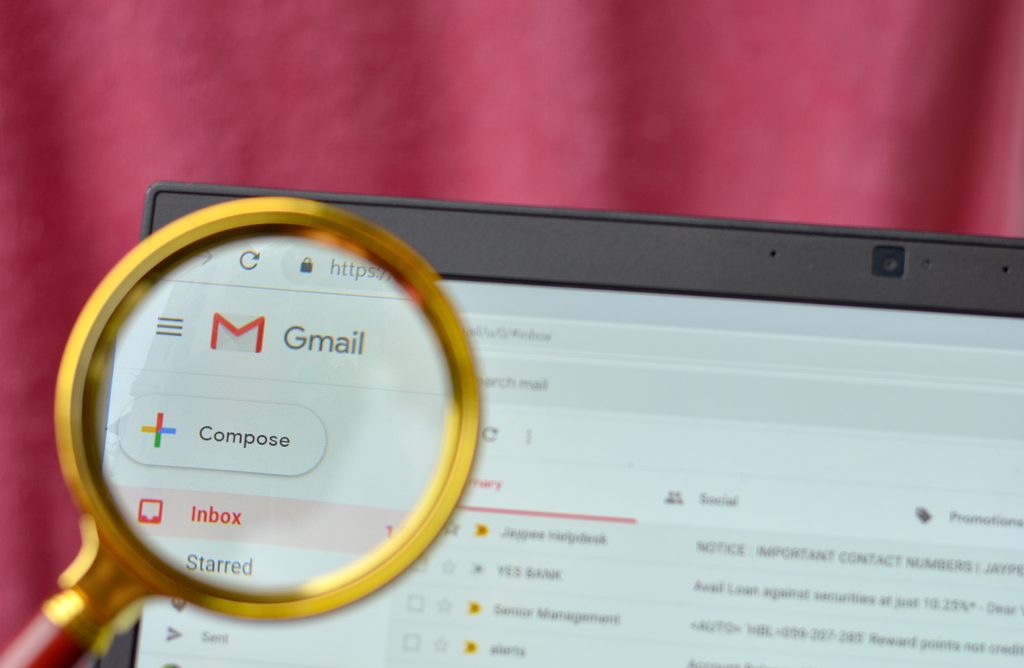
Is it time to inspect if we really need Google Workspace?
Great, right? Well except, that it's in Google and Microsoft's interest for you to pay for and use their services. They never tell you that you don't actually need a Google Workspace or O365 account to send from a custom branded email domain! You can 100% use free Gmail or Outlook services and a branded email domain, saving on the monthly fees that Google and Microsoft charge! There are even free alternatives to Gmail and Outlook like Zoho Mail (with some strict limits) that you can use as a solopreneur.
Personally, for optimize.sg, I actually use my personal email account and employ some tricks to route messages to and from an @optimize.sg email address for zero cost. Every dollar saved in business is a dollar earnt! Drop me a message if you'd like to find out more about having the same setup!
3. eCommerce with Shopify, Shopify, Shopify
If you're starting a eCommerce business doing any kind of B2C sales, with zero know-how of how to set up your own website or online store, there are usually 2 routes one will take. First, check out eCommerce marketplaces like Shopee, Qoo10, Lazada or Amazon and follow their guidelines to get up and running. Pros: You don't have to worry about complicated things like payment processing, logistics and setting up a web store front. Cons: You're at the mercy of the platform's choice of processing fees, platform fees, dispute resolution and you can hardly perform any serious branding or retain customer loyalty because let's face it, people will remember Shopee or Lazada but not a small, individual store selling products on their platform.
I couldn't find a free stock image of Shopee or Lazada, so please enjoy this stock photo of Amazon :P
So what's the second option? Usually turning to ready made eCommerce solutions of which the biggest is Shopify. Again, as mentioned earlier with regards to web hosting providers, there's nothing wrong with choosing Shopify if you find it meets you needs. They do provide one of the most comprehensive list of tools to get small businesses up and running with an online storefront. It's great way to brand and market your products with a customized storefront and look.
However, Shopify is expensive. They don't just charge monthly fees, they also charge transactions fees on all purchases made through them, whic go as high as 2% for small businesses! And that's before credit card merchant fees! All in all, you'll be looking at more than 5% in transaction fees if you're accepting credit cards on your revenue. Sure, you'll get everything you need to run your online storefront, but you'll also be paying for it with massively reduced profit margins. Not to mention your ability to scale would be greatly diminished with a model where costs scale with you.
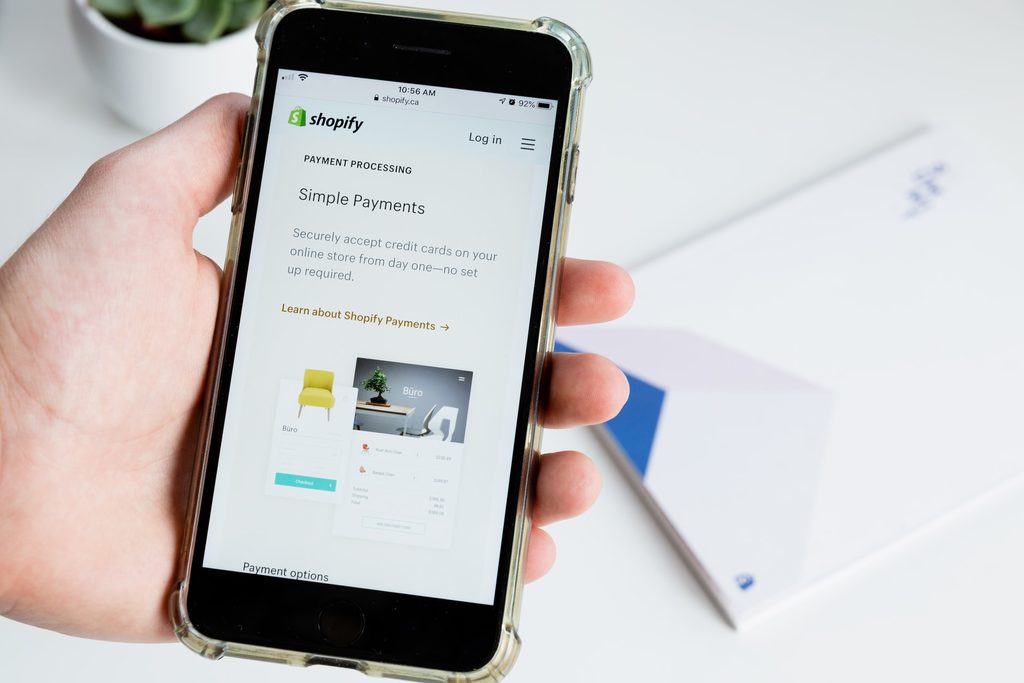
The biggest and most comprehensive eCommerce storefront... but also the most expensive
Being the biggest and most well known eCommerce storefront solution, Shopify can afford to charge a hefty premium for their services. Afterall, most people go straight to them when they have no idea what else there is. My recommendation for any budding entrepreneur looking to brand their own online retail store would be to consider alternatives that may not be as plug-and-play as Shopify, but much more friendly to smaller businesses. Competitors such as WooCommerce, Ecwid or even newcomers like Swell offer very similar capabilities to Shopify or sometimes require that you have a functional website they plug into, but often do so with much lower costs or without percentage based transaction fees. I would love to get you up and running with any of these, so get in touch with me if you're interested!
4. Not having backups... and losing all your data :/
You've got your hands full with marketing, doing sales, ordering product, replying customers and invoicing clients. The last thing you would want is for your business to grind to a halt because you've suddenly lost all your data and been locked out of your systems! And yet, it's also the last thing on most entrepreneurs' priority list. Ransomware attacks that encrypt and lock you out of all your data unless an exorbitant fee is paid are increasingly common today. Some ransomware threat actors specifically target businesses with a online presence as they are easier to attack with publicly available emails or contact information to send the ransomware across to. Having data backups would ensure that you would be able to recover your data and continue doing business even if you are targeted!

Don't let this be you... unless that face of shock is discovering you are now a Bitcoin millionaire!
Or perhaps a more relatable situation would be that of a failed laptop hard disk (I'm sure it's happened to everyone once). If you back up your data to cloud storage platforms like Google Drive or Dropbox you might be able to avoid such a scenario, but if you're a freelance photographer or videographer who's always on the move, you might be in situations in which you just don't have the internet speed or time to back everything up. Worst of all, being on the move with a laptop exponentially increases the risk of hard drive failure and having the photos on your laptop means you've already completed the shoot; there are no retakes for a corporate event or a wedding...
Incidentally, a personal friend of mine who was in the photography/videography industry was in this exact same situation and he brought his laptop to supposed Data Recovery specialists at Sim Lim Square who charged him 500 bucks and told him after 2 days that all his data including this shoot was irrecoverable. After bringing it to me, I was able to extract 98% of his data after waiting an hour while eating some pizza and playing Playstation! The sad truth is that many IT Professionals who advertise their services do not have the necessary skills to perform the type of service they are marketing, and while I may not be a specialist in clean room data recovery, where your hard disk is disassembled in a laboratory environment to recover its data, I do have some tricks up my sleeve that may save you that 5000 dollar (yes, that's thousand not hundred) clean room data recovery bill.

Ouch, that's gotta hurt...
Still, all that being said, remember that prevention is better than a cure! As part of my services I would be glad to discuss and set you up with something that meets your needs!
5. Not having a web presence at all
Of all the mistakes you could make as a freshly minted entrepreneur, the biggest would probably be outright ignoring the potential of the internet. Sure, I did say that you could expose yourself to ransomware attacks for example, but that's a risk you will take as long as you have a personal email. Having a web presence opens you up to a many things:
- A new medium of advertising through online ads
- A new market of consumers that may not know about your business otherwise
- Information regarding the online segment of consumers which you can use to tweak and adjust your product strategy (that you wouldn't be able to collect with a physical storefront)
- Automations, automations, automations. Unlike physical storefronts, you don't need to hire a proportionate number of employees as your business scales, you can rely on automations and programmatic logic to run your business!
- Online reputation! Even if you are not online, others can easily attack you online with no way for you to defend yourself, but having an online presence typically notifies you of what other people are saying about your business
Enter the Matrix... I mean, the internet
There are many options to establishing an online presence, ranging from setting up a Facebook page (or other social media), setting up a Google Business Profile, or even setting up your own webpage. Different solutions come with different pros and cons and it could be difficult to navigate the intricacies of each option. Book a free call with me and I'd be happy to guide you through the different options and what would be best for your business!